
Shaping a digital, healthy and sustainable future
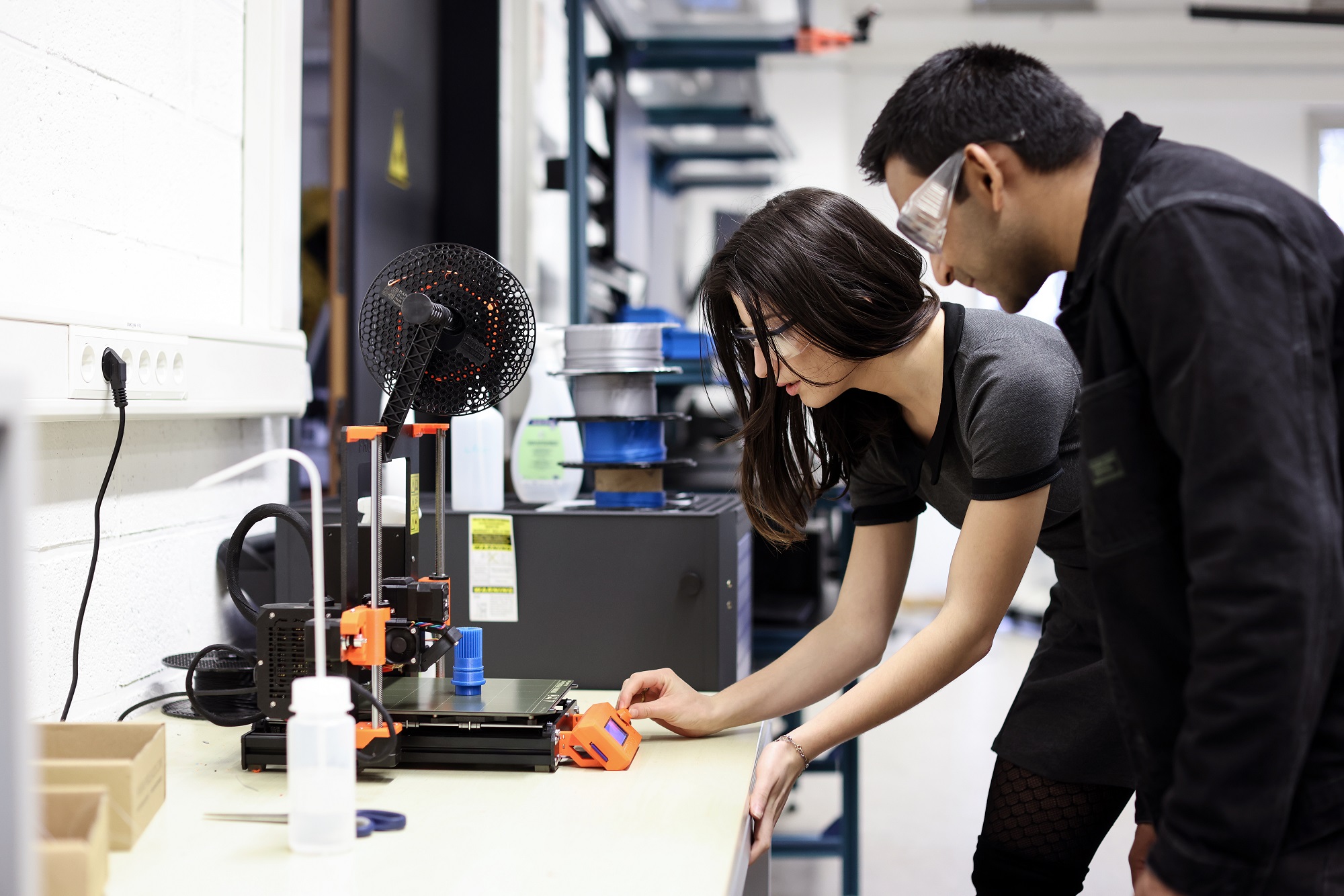
The University of Luxembourg strives for excellence in both fundamental and applied research, fostering innovation and societal progress. Our research combines detailed disciplinary knowledge with interdisciplinary approaches and also feeds directly into our teaching. Key areas include digital transformation, medicine and health, and sustainable and societal development.
Focus on interdisciplinarity
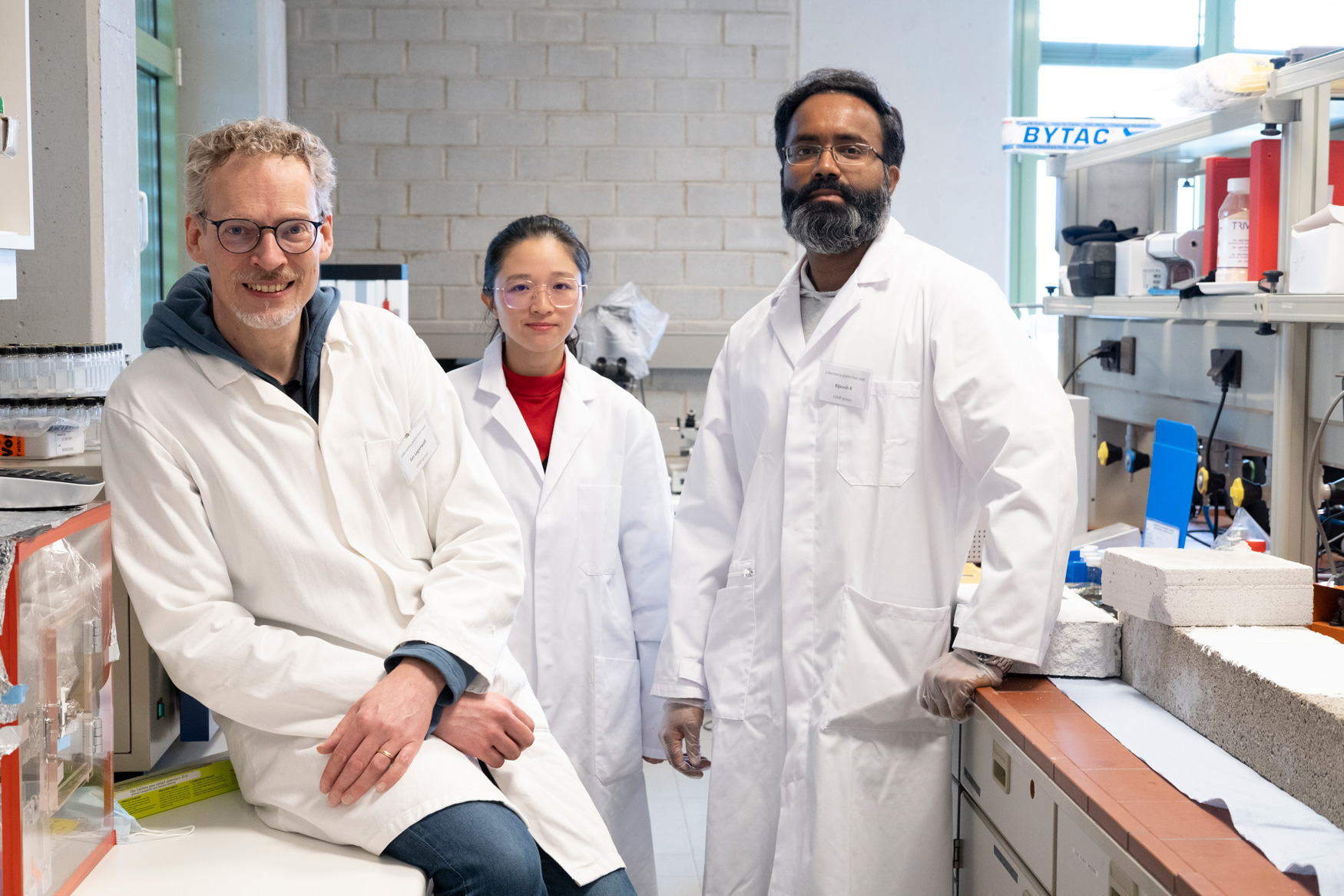
Addressing the greatest challenges of our times requires interdisciplinary research. Rooted in strong disciplinary expertise, the University’s strategy relies on interdisciplinary and intersectoral collaboration. By integrating diverse disciplines and encouraging collaboration through partnerships, we are building a vibrant research environment to spark novel ideas and groundbreaking innovations in our unique laboratories, interdisciplinary centres and Institute of Advanced Studies (IAS).
Our state-of-the-art academic research and cross-disciplinary approach fuels our drive to make a lasting impact on society. In the two decades after it was founded, the University of Luxembourg was awarded 15 ERC grants. In the Leiden Ranking 2022, the University was ranked 54th in the world among universities with the 1 per cent most cited publications in their field, in proportion to the number of articles published.
Research news
-

The Uni.lu action plan for advancing research assessment is available
Research, UniversityLearn more -

Our research in numbers
-
1,000+Ongoing projects
-
188Horizon projects accepted
for H2020 and HEU -
20ERC grants since 2014
-
2,440Publications in 2022
We are members of Research Luxembourg
In just a few decades, Luxembourg has successfully built a competitive, innovation-driven research ecosystem. Research Luxembourg is a joint nationwide initiative of the main actors in Luxembourg public research, with the support of the Ministry of Higher Education and Research, including the University of Luxembourg (Uni.lu), Luxembourg Institute of Health (LIH), Luxembourg Institute of Socio-Economic Research (LISER), Luxembourg Institute of Science and Technology (LIST), Luxembourg National Research Fund (FNR), and Luxinnovation.
Reflecting the priority given to research and innovation by the country, it aims to promote scientific cooperation and activities of the research and innovation sector with one ambition: provide the best conditions to make excellence grow and shape a sustainable future.